Carpet,Lino & Flooring Fitters
Topics of Interest
Tips and Ideas |
Cost Estimation |
Key Considerations |
Trends and Techniques |
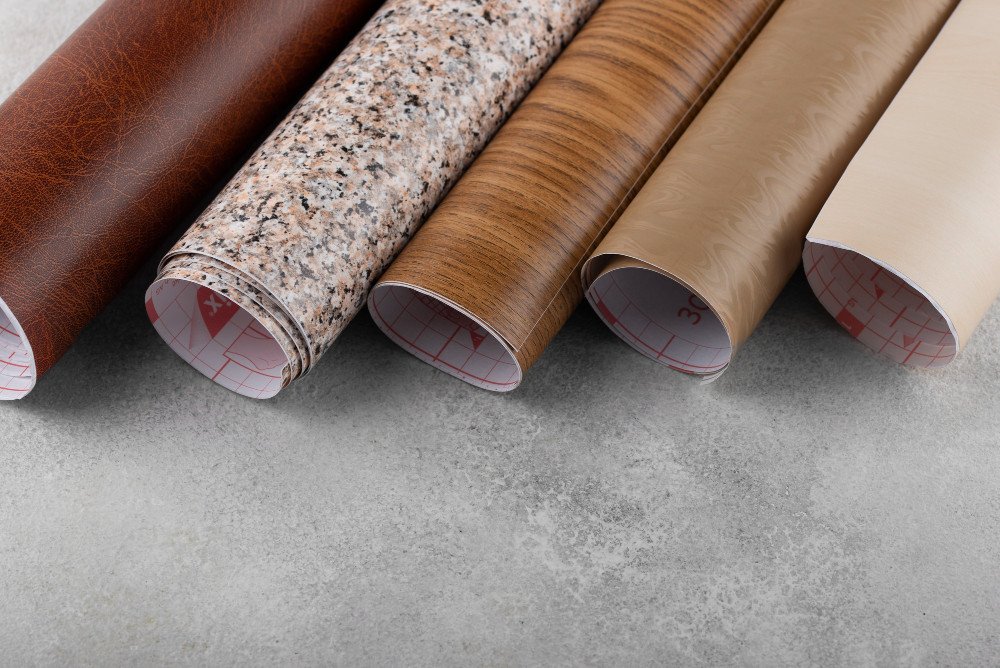
Floors can be made with different techniques like wood, tiles, carpet, vinyl etc during the installation of a floor we should have the following key responsibilities and roles when undertaking a project:
Tips and Ideas

1. Project Preparation
Material
Selection: Consult with clients to help them choose appropriate materials and
designs that fit their needs and budget.
Site
Measurement: Accurately measure the areas where the flooring will be installed
to ensure precise calculations for material requirements.
2. Substrate Preparation
Cleaning the
Substrate: Ensure that the surface is clean, dry, and free from debris and
contaminants.
Preparing the
Substrate: Perform necessary preparations, such as levelling or reinforcing the
substrate, to ensure proper installation.
3. Flooring Installation
Professional
Installation: Professionally install carpets, linoleum, or other flooring types
according to manufacturer guidelines.
Adjustments and
Cutting: Precisely cut the materials to fit around walls, corners, and other
obstacles for a seamless appearance.
4. Surface Treatment
Edge Finishing:
Properly treat and secure the edges and transitions to ensure a neat and
aesthetic look.
Joint
Treatment: Ensure all seams and transitions are cleanly and securely finished.
5. Customer Communication
Consultation:
Actively communicate with clients to clarify their expectations and keep them
informed about project progress.
Feedback
Collection: Gather feedback from clients after completion to ensure
satisfaction and address any issues.
6. Quality Assurance
Work
Inspection: Regularly check your work for quality and precision, ensuring that
all standards are met.
Problem
Solving: Quickly find effective solutions for any issues that arise during the
installation process.
7. Safety Regulations
Compliance with
Regulations: Ensure that all work is conducted in accordance with local safety
regulations and standards.
Protective
Measures: Use appropriate protective gear and materials to maintain safety on
the job site.
8. Maintenance and Care
Client Education: Inform clients about the care and maintenance of their new flooring to extend its lifespan.
As a carpet,
lino, and flooring fitter, it is crucial to demonstrate a high
level of expertise, attention to detail, and customer orientation. By
fulfilling these responsibilities, you can achieve high-quality results and
ensure client satisfaction.

Costs Estimation
Carpet Fitters:
Generally charge between £10 to £30 per square
meter for fitting. The cost can be higher for intricate designs or high-end
carpets.
Lino and Vinyl
Fitters:
Typically charge around £10 to £25 per square
meter for installation.
Laminate
Flooring Fitters:
Costs usually range from £15 to £30 per square
meter.
Day Rate:
Some fitters
work on a day rate, which can range from £150 to £300, depending on experience
and complexity.
Additional Costs
Materials:
Always factor in the cost of the flooring
materials, underlay, and any additional components.
Preparation
Work:
If floor
preparation is needed (e.g., levelling), this may incur additional charges.
By considering
these factors and getting multiple quotes, you can find a qualified fitter who
meets your needs and budget.

Key Considerations When Hiring
When hiring a
carpet, lino, or flooring fitter, considers the following factors:
1. Qualifications and Experience
Certifications:
Look for fitters with relevant qualifications, such as NVQs in flooring.
Experience: Choose
someone with experience specific to the type of flooring you want installed.
2. Portfolio and References
Client
Feedback: Ask for references from previous clients and check online reviews to
gauge their reputation and reliability.
Search for the
Trusted Trade People on https://buildersvalley.com/
At Builders
Valley you can find a verity of professional trade persons not only you indeed
even any kind you may need in future.
3. Specialization
Type of
Flooring: Ensure the fitter is experienced with the specific flooring material
you need (carpet, vinyl, laminate, etc.).
4. Insurance and Guarantees
Public
Liability Insurance: Protects you in case of accidents during the installation.
Work Guarantee:
Check if they provide a guarantee for their work.
5. Quotes and Pricing
Multiple Quotes:
Get quotes from different fitters to compare costs and services.
Detailed
Estimates: Ensure estimates include labor, materials, and any additional
charges.
6. Communication and Professionalism
Responsiveness:
Choose a fitter who communicates clearly and is easy to reach.
Professionalism:
Observe their attitude during initial interactions; it can reflect their work
ethic.
7. Timeline and Availability
Scheduling:
Confirm their availability to ensure your project timeline aligns with theirs.
Duration: Ask
how long the installation will take, depending on the type and size of the
project.

Trends and Techniques
If you are interested and wants to know what new trends are in then must read this topic and keep following Builders Valley platform.
Here are some
of the latest trends in the UK flooring market:
1. Sustainable Flooring
Eco-Friendly
Materials: Increased demand for sustainable options like bamboo, cork, and
reclaimed wood.
Recycled
Materials: Flooring made from recycled products, such as carpets made from
plastic bottles, is gaining popularity.
2. Luxury Vinyl Tile (LVT)
Realistic
Designs: LVT mimics the look of natural materials like wood and stone, offering
durability and ease of maintenance.
Waterproof
Options: Ideal for kitchens and bathrooms, LVT provides a stylish yet practical
flooring solution.
3. Engineered Wood
Versatility:
Engineered wood combines a real wood veneer with a plywood base, making it more
stable and suitable for various climates.
Variety of
Finishes: Offers a wide range of finishes and styles, appealing to diverse
tastes.
4. Large Format Tiles
Minimal Grout
Lines: Larger tiles create a sleek, modern look with fewer visible seams,
making spaces appear larger.
Easy
Maintenance: Less grout means easier cleaning, especially in high-traffic
areas.
5. Textured Finishes
Natural
Textures: Emphasis on surfaces that mimic the feel of natural materials, such
as brushed or hand-scraped finishes in wood and tiles.
Matte Finishes:
Matte textures are becoming popular for a more understated, contemporary
aesthetic.

6. Bold Patterns and Colours
Statement
Flooring: Use of vibrant colours, geometric patterns, and unique designs to
create focal points in rooms.
Mixing
Materials: Combining different flooring types and materials within a single
space for a unique look.
7. Smart Flooring Technology
Heated Floors:
Under floor heating systems integrated into various flooring types for added
comfort.
Smart Features:
Innovations that include sound absorption and moisture detection capabilities.
8. Carpet Tiles
Modularity: Increasingly
popular in both commercial and residential spaces, offering flexibility in
design and easy replacement.
Sustainable
Options: Many carpet tiles are made from recycled materials, appealing to
eco-conscious consumers.
9. Biophilic Design
Connection to
Nature: Flooring that incorporates natural elements, such as wood or stone, to
create a calming, nature-inspired environment.
10. DIY and Easy Installation
Click-Lock
Systems: Products that allow for straightforward installation without the need
for adhesives or nails, making it easier for homeowners to tackle projects
themselves.
Staying current
with these trends can help homeowners and designers create stylish, functional
spaces that reflect modern aesthetics and values.